Social Issues
21st century challenges, burnout prevention, career growth, family time, harmony in life, healthy lifestyle, life satisfaction, mental health, modern lifestyle, personal well-being, productivity, stress management, time management, work stress, work-life balance, Zeeshan Azhar
Zeeshan Azhar
0 Comments
The Challenge of Work-Life Balance in the 21st Century
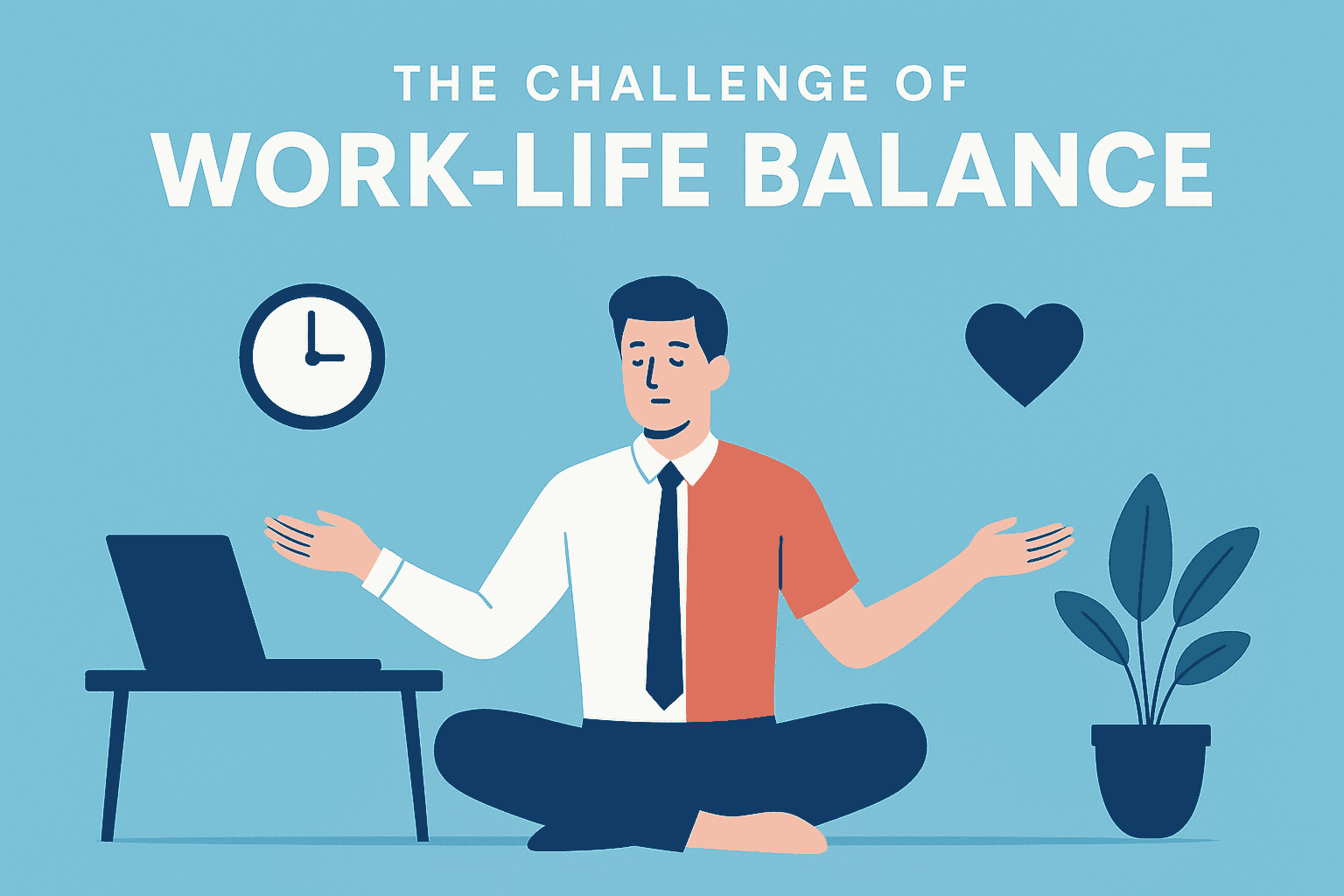
Why Work-Life Balance Is So Hard Today
Technology and the “Always-On” Culture
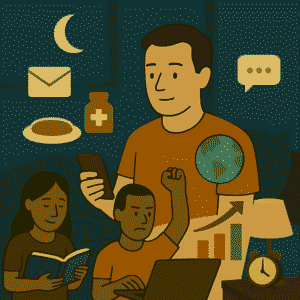
Technology has made work easier, but it has also blurred the line between office and home. Smartphones, emails, and messaging apps allow employees to stay connected 24/7. While this can increase efficiency, it also traps many in an “always-on” mindset. People often check emails late at night, respond to work messages during dinner, or even join meetings while on vacation. As a result, genuine rest becomes rare.
Rising Job Demands
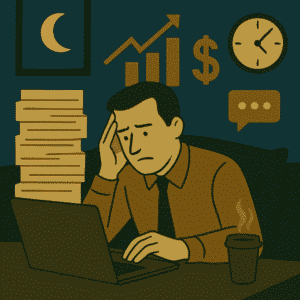
The competitive global economy pushes organizations to demand more from employees. Many companies expect longer hours, quicker responses, and higher outputs. For workers, saying “no” feels risky because job security has become uncertain in many industries. This constant pressure forces individuals to sacrifice personal time to stay relevant and productive.
Changing Family Dynamics
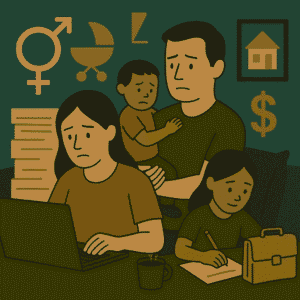
Work-life balance is no longer about just managing time between work and home. In today’s world, family roles are evolving. More women participate in the workforce, more men take active roles in caregiving, and more households face financial stress that requires multiple incomes. Balancing career ambitions with family responsibilities has become a complex task for both genders.
The Consequences of Poor Work-Life Balance
Stress and Mental Health Problems
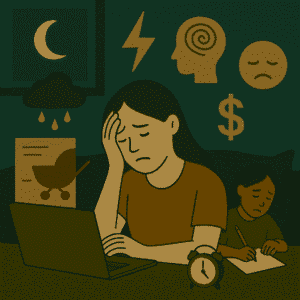
Chronic imbalance often leads to stress, anxiety, and burnout. When people fail to rest, their bodies and minds eventually break down. Mental health challenges such as depression and fatigue rise sharply in environments where employees cannot switch off from work.
Strained Relationships
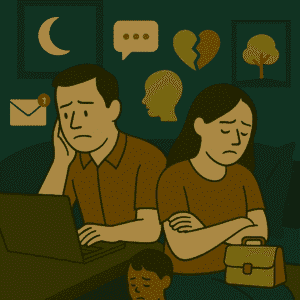
Time is the foundation of strong relationships. When individuals spend most of their energy at work, they have little left for family or friends. This creates distance, misunderstandings, and sometimes even broken relationships. Children may feel neglected, spouses may feel unsupported, and friendships may fade.
Reduced Productivity
Ironically, overworking does not always lead to better results. Tired employees make more mistakes, lose creativity, and show less motivation. Studies show that companies encouraging work-life balance often achieve higher productivity than those that demand endless overtime.
Practical Steps to Improve Work-Life Balance
1. Set Clear Boundaries
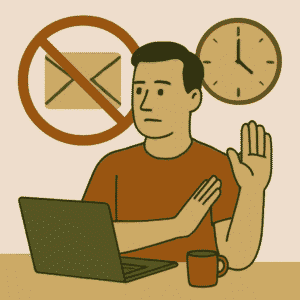
One of the simplest yet most powerful steps is to set clear boundaries between work and personal life. For example, avoid checking emails after a set time in the evening. Communicate your boundaries to your colleagues and managers. Most people will respect your limits if you explain them clearly.
2. Learn to Prioritize
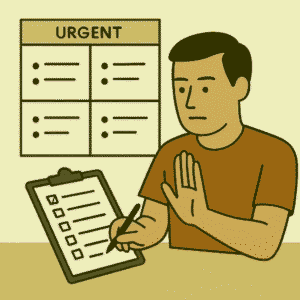
Not every task holds equal importance. Learning to prioritize helps reduce unnecessary stress. Make a list of tasks, identify urgent ones, and let go of things that do not add real value. Tools like the Eisenhower Matrix or digital planners can make prioritization easier.
3. Take Breaks Seriously
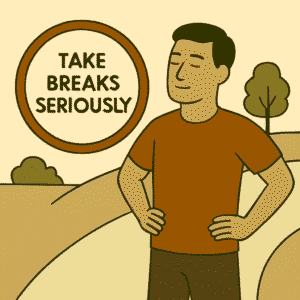
Breaks are not wasted time; they are investments in productivity. A short walk, meditation, or even a few minutes of stretching can recharge your mind and body. Employees who take breaks often return to tasks with more energy and focus.
4. Embrace Flexibility
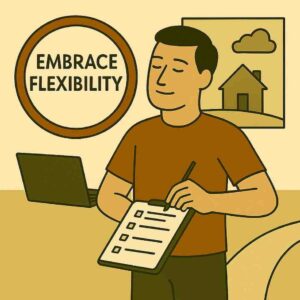
Many modern organizations now allow remote work or flexible hours. Take advantage of these options if available. Flexibility allows you to manage family needs, reduce commuting stress, and create more time for personal well-being.
5. Practice Mindfulness
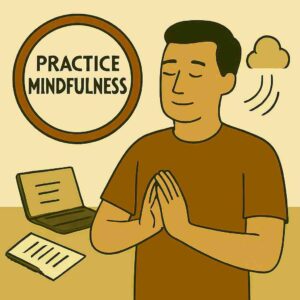
Mindfulness teaches people to focus on the present moment instead of constantly worrying about the past or future. Simple practices like deep breathing, prayer, or journaling can calm the mind and create balance in a hectic day.
The Role of Individuals
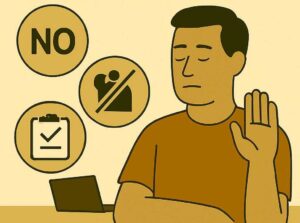
While employers matter, personal responsibility is just as important. Every individual must take active steps to protect personal well-being. Saying “no” when necessary, delegating tasks, and avoiding perfectionism are essential life skills. Balance is not something you find—it is something you create daily through choices.
Work-Life Balance and the Future

As the 21st century progresses, the nature of work will keep evolving. Artificial intelligence, automation, and remote work will continue to reshape careers. These changes bring new opportunities, but they also introduce fresh challenges. The ability to balance work and life will remain a vital skill for survival and success.
Nations, organizations, and individuals must recognize that balance is not a luxury; it is a necessity. A society that ignores it risks creating stressed workers, weak families, and declining productivity. On the other hand, a society that promotes balance fosters healthier citizens, stronger families, and innovative economies.







Post Comment